
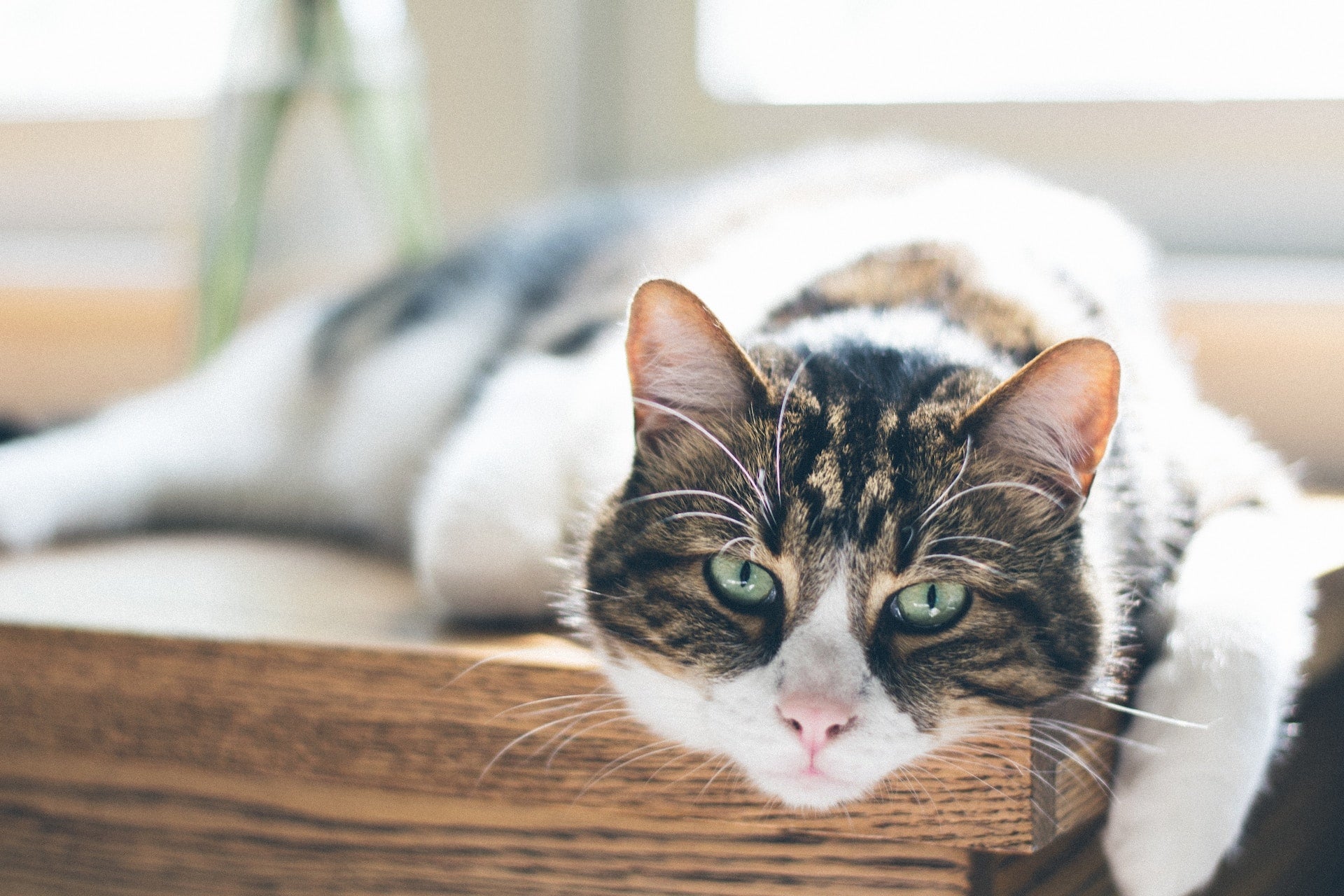
Your feline friend may not appreciate being called elderly, but when it comes to health, age is an important factor. Like every species, the older we get, the more we slow down. Typically, when we move less, we eat less, but sometimes that can go too far. If your elderly cat won’t eat, it could be their lifestyle or something else. More often than not, it’s not something to worry about, but it’s worth checking, just in case.
Below, we cover all you need to know about why your elderly cat may not be eating as much, things to check with their behaviour, and our recommendations on how to encourage them to eat more regularly.
Do cats eat less as they get older?
Elderly cats do gradually eat less than they used to, so it’s likely nothing to worry about if you’ve noticed this change over time. As older cats move less, they won’t need to eat as much to keep their energy levels up. A slower metabolism and reduced sense of smell and taste can also affect how much senior cats eat.
A decline in how much your cat eats over time is fine, though a sudden, significant change in how much they eat may be something you need to address. Below, we go into the reasons why your cat’s eating behaviour may have changed.
Why your older cat may not be eating
There can be a few reasons why your senior cat isn’t eating or is eating less. Fortunately, they are usually easy to identify. It could be:
A change in diet and/or dietary preference
Cats are usually content to eat their favourite food day after day, but that isn’t always the case. Just like us, sometimes a cat just feels like a change or doesn’t get the same satisfaction out of their food as they used to.
A change in environment
Cats are incredibly sensitive to changes in routine and their environment. If you’ve recently moved home, changed the wallpaper, changed their food bowl, or even changed your perfume, your furry friend may take a little while to adapt.
Dental problems
Dental problems can often be why an older cat isn’t eating. A toothache can remove their appetite altogether, while an infection can make eating uncomfortable, leading them to avoid food completely.
Cats that eat dry food can suffer from more dental problems than those that eat soft foods. But both can be impacted, so keep an eye on their oral health.
A low-quality diet
Cats aren’t nutritionists, but they can often tell when they are being fed poor-quality food. The taste isn’t always there, and the texture can give the game away. If you’re trying to feed your cat a new food to save money, and they don’t eat it, this may be why your cat won’t eat it.
Stress or depression
Stress or depression can be caused by several factors, and diet is usually one of the first areas to suffer. If your cat has been through trauma, has just lost a sibling, or has experienced a change in routine, they may be feeling it and not want their dinner.
A health issue
Underlying health issues, like an infection or allergies, can be why your elderly cat won’t eat. Cats are great at masking illness or pain and won’t let on until they really have to.
It could be something as simple as a common cat cold or a urinary infection. Anything that makes your cat feel under the weather can interrupt their appetite.
How to encourage an elderly cat to eat
The good news is that there are various ways to encourage your cat to eat. If your elderly cat isn’t eating, be sure to try out the following methods:
Change their diet
If you have switched your cat’s food, switch it back. If you have had to move from a premium brand to a cheaper one, try to find a middle ground. If you’re still feeding your cat normal food, switch to senior food.
Experiment a little with their food to see if a change of taste, smell, or quality is enough to get them eating again.
Give them space and allow them to eat when they want
Older cats won’t eat as much as younger ones because they don’t play or move around as much. Therefore, you shouldn’t pressure your cat into eating, hover over them, or keep trying to feed them, as this can all stress them out and put them off their food.
Instead, go with a more relaxed approach to mealtimes. Put their food down, give them space to eat, and don’t cause them any extra stress around mealtimes, and you may see more regular eating patterns.
Change feeding methods
Your cat may just want a change. If they usually graze, switch to set dinner times and remove their grazing food, or vice versa.
Using an automatic cat feeder is a good way to help keep regular dinner times, and lets you do so whether you’re at home or not. If you have multiple cats, you can use a microchip cat feeder to make sure one cat isn’t stealing the other’s food.
Assess their eating area
If their eating area has changed or hasn’t been well-maintained, this could be the reason your senior cat isn’t eating. Make sure the area where they eat is clean, doesn’t smell, doesn’t have too many distractions, and looks the same as it always has.
If you have made any changes to the area, either give your cat time to adapt or change it back to its original state.
H₂O harmony
If your senior cat isn’t eating, it’s also just as important to make sure they’re drinking enough, as they don't have high thirst drives. Staying hydrated will help flush out toxins that may build up and cause kidney or urinary tract disease – this can sadly be a leading cause of death in elderly cats.
The good news is that thanks to their natural instincts to drink from streams and rivers, cats absolutely love moving water, so a cat water fountain might be the solution for you!
Seek veterinary advice
If all else fails and you have tried everything above, but your elderly cat still won’t eat, visit the vet. It could be nothing, but it could be something. When it comes to the well-being of our beloved felines, it’s much better to be safe than sorry!
Cat Products to Simplify Your Routines at Closer Pets
Cats are sensitive creatures and can be thrown off their game by the smallest thing. Fortunately, by using a process of elimination and assessing life from your cat’s perspective, you can often identify the cause and address it. If all else fails, a quick trip to the vet should be enough to set your mind at ease!
At Closer Pets, you can find many useful, innovative pet products that can make looking after your elderly cat all the easier. This includes our automatic cat feeders to make mealtimes all the more convenient, cat water fountains to keep them hydrated with fresh, oxygenated water, and our cat flaps to let them play outdoors at their leisure.
If you’d like to find out anything in particular about our many cat products, get in touch with us today. We’ll be happy to give you a helping paw!