
Whether you’ve got a long-established pond or are thinking of adding one to your garden, there are many types of plants that you can add for aesthetic appeal and to make it a better environment for pond life. In particular, deep-water pond plants are a popular choice, offering a wide variety to choose from.
If you have a deep pond and are looking for underwater pond plants to help fill it, you’re in the right place, as we’ve got many recommendations to help you out!
What are deep-water pond plants?
Deep-water pond plants grow beneath the waterline. They are usually completely submerged but may have flowers or fronds that project out of the water. They provide value to pond owners with sufficiently deep ponds, as they can provide shelter for fish, add oxygen, remove nitrates, and add visual interest. While not essential in a pond, deep water plants do add character.
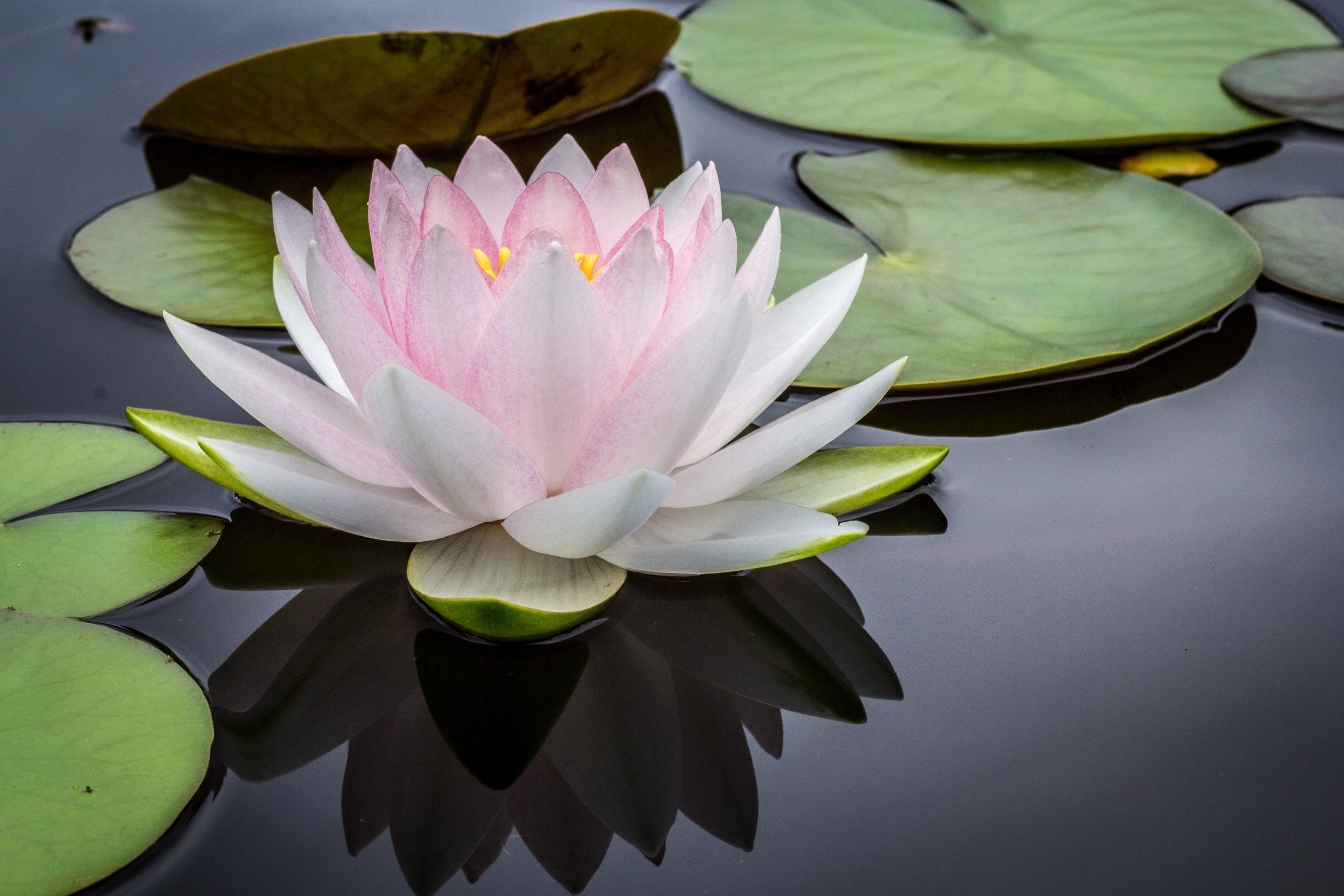
A water lily is a prime example of a deep-water pond plant. The main plant is submerged in the water while the leaves and flowers sit on top. It provides shade for fish beneath and creates habitat for insects and other pond life.
Underwater pond plants also emit oxygen as part of their natural processes and take up nitrogen from the water. By using the right deep-water pond plant in the right places, you can create a harmonious natural balance within a pond.
Our best 12 underwater pond plants
To take advantage of these many benefits and make your pond look all the more impressive, there are many great varieties of underwater pond plants for you to choose from. In particular, the following submerged pond plants are the varieties we most recommend:
-
Water lilies
-
Hornwort
-
Brandy bottle
-
Floating heart
-
Amphibious bistort
-
Golden club
-
Broad-leaved pondweed
-
Sacred water lotus
-
Water hawthorn
-
Cattail
-
Watercress
-
Cattail
-
Starwort
Water lilies (Nymphaeaceae nymphaea)
Water lilies are usually the first deep-water plant that comes to mind when thinking of ponds.
They are immensely popular for good reason. Water lilies are very hardy, can grow in water up to 10 feet deep, provide excellent cover, and look lovely.
How to plant water lilies in a deep pond
The best way to plant water lilies, if growing them in a deep pond, is to place the rhizome in a wide aquatic basket filled with heavy soil (not compost), with the crown just above the surface. Add a layer of gravel on top to keep the soil in place, then lower the basket into the pond.
Start it in shallower water (around 30–45 cm deep) and gradually move it deeper as it grows, usually to 60-120 cm, depending on the variety you’ve chosen. The main thing is to place it somewhere sunny, as water lilies need plenty of light to thrive.
Hornwort (Anthocerotopsida)
Hornwort is a fern-like, deep-water pond plant almost as popular as lilies. They are hardy and don’t require substrate to flourish, as they obtain nutrients from the water rather than the soil.
Hornwort is an oxygenator and can tolerate shade, making it an ideal plant to pair with others to maintain a balanced pond.
Brandy bottle (Nuphar lutea)
Brandy bottles are also useful deep-water pond plants in larger ponds. This plant grows quickly and may smother smaller ponds, so use it carefully.
It is great for the water and can cope with partial shade. It also absorbs lots of nutrients, which helps maintain water balance.
Floating heart (Nymphoides peltata)
Floating heart, also known as water fringe, looks like a small water lily but is not related to it.
It has a star-shaped flower in summer and can cope with partial shade. This plant can also cope with shallower depths, so it may be useful for shallow ponds or shelves.
Amphibious bistort (Persicaria amphibia)
Amphibious bistort is an attractive submerged pond plant that can cope with up to 8 feet of water.
It has a pretty purple flower and simple leaves that protrude above the water, which are nice to look at in summer. The flower is a beacon for insects, making it ideal for building an ecosystem.
Golden club (Orontium aquaticum)
Golden club is a set-and-forget underwater pond plant. It’s incredibly low-maintenance and delights with intriguing yellow flowers in summer.
It comes with shallow waters and partial shade, which limit its spread, making it a low-maintenance option.
Broad-leaved pondweed (Potamogeton natans)
Broad-leaved pondweed is useful in ponds, despite the name. It’s a broadleaf plant that roots at the base of the pond and grows shoots to the surface, where it produces leaves.
Those leaves provide excellent shade and oxygen for the plant while also providing landing spots for insects.
Sacred water lotus (Nelumbo nucifera)
Sacred water lotus is an attractive, deep-water plant for ponds with a lovely, fragrant flower.
It grows well at various depths but needs a substrate to root. Depending on where you live, the sacred water lotus is considered an invasive species, so check before you buy!
Water hawthorn (Aponogeton distachyos)
Water hawthorn is an excellent underwater pond plant and is almost as popular as the water lily.
It’s hardy, can cope with varying depths of water, and can flower all year round within temperature extremes. Its flowers also smell of vanilla, which is one reason it’s so popular.
Cattail (Typhaceae typha)
Cattail is a deep-water marginal plant that can grow well in deep water. Plant them in pots to minimise spread.
Cattail is an attractive grass that provides a habitat for insects and adds interest to a pond. Choose the species carefully, as some regions regard it as invasive.
Watercress (Nasturtium aquaticum)
Watercress is another attractive submerged pond plant with lovely white flowers.
Watercress is great for absorbing nitrates from the water and, as a result, providing oxygen, which is why it is so popular.
Starwort (Callitriche stagnalis)
Starwort is a green plant with star-shaped leaves. It is popular because it is active year-round, providing essential oxygen during autumn and winter.
Starwort flowers well and can cope with full sun or partial shade. It also provides cover for fish and a platform for pond life.
Helpful fish products at Closer Pets
We hope these varieties of submerged pond plants have piqued your interest, as each offers a unique look and fantastic benefits for your pond. Whether you choose one or choose them all, be sure to monitor their progress to ensure they fit the unique environment of your pond.
At Closer Pets, we have many helpful products to make looking after your pond fish all the simpler. With pond pumps, pond filters, and automatic fish feeders, you can keep your pond clean and healthy while making feeding your finned friends convenient, too, using our quality products.
If you have any questions about our fish pond supplies and how they can benefit you, contact us today, and a member of our team will be more than happy to help you out.