
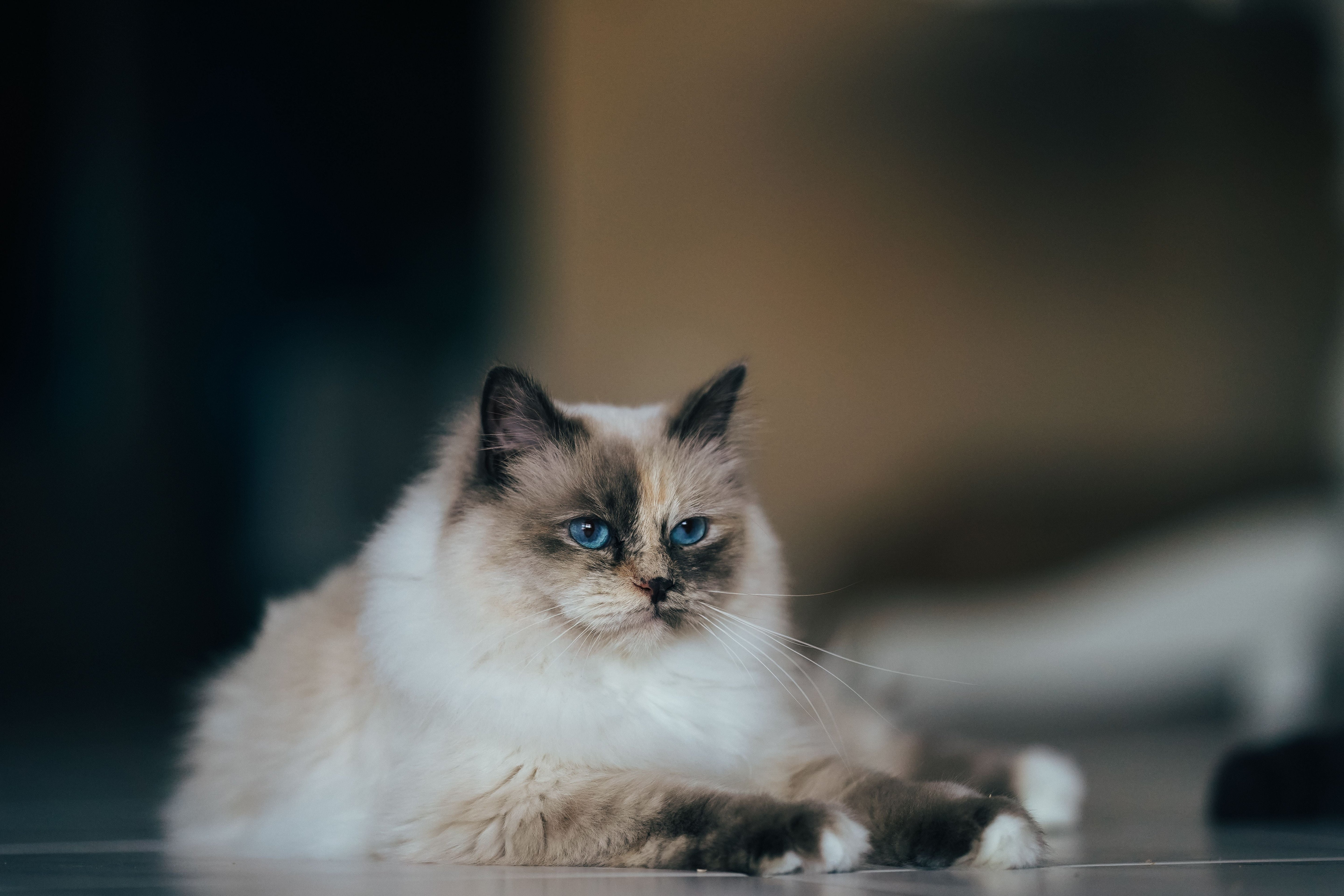
Ragdoll cats are some of the sweetest pets an owner could wish for. They’re docile, friendly, and absolutely perfect for families. Like all cat breeds, ragdolls have their traits and quirks, so what do you need to know about these fluffy friends? Whether you’re thinking of introducing a ragdoll cat to your home or want to understand your family pet a little better, Closer Pets is here to help.
In this blog, we’ll answer all your biggest questions about ragdoll cats, from how long they live to some of the most interesting facts every owner ought to know.
How long do ragdoll cats live?
Every cat breed varies in life expectancy, but ragdoll cats typically live between 12 and 17 years. With modern veterinary care, ragdoll cats are increasingly living up to and beyond 18 years.
Just like humans and other pets, ragdoll cats all live with their own individual health traits. Life expectancy can therefore vary, with some of the most common breed-related health complications including:
-
Hypertrophic cardiomyopathy: Reduced blood volume circulating throughout the body, resulting in fainting, tiredness and other symptoms of heart disease.
-
Polycystic kidney disease: Lifelong cysts that gradually grow in size until they start to compromise kidney function, eventually causing kidney failure.
We recommended that owners of ragdoll cats consult their vet if they have any questions about their pet’s health and well-being. On a day-to-day basis, hydration is an important part of helping your ragdoll cat have long and healthy kidney function, and our cat water fountains can play a key role in supporting your cat’s daily hydration.
Are ragdoll cats hypoallergenic?
Being hypoallergenic – producing fewer allergens than average, such as dander – is something many owners might look for in a cat, but this doesn’t apply to ragdoll cats.
While these cats typically lack the thick undercoat that would usually release a lot of fur, the Fel D1 protein is still present in their saliva. As ragdoll cats lick their fur, this allergen can easily become airborne.
To limit allergen spread, we recommend grooming ragdoll cats 2-3 times per week. Regular cleaning of their bedding is also effective at limiting the spread of allergens.
Can ragdoll cats go outside?
Like other cats, ragdoll cats can go outside. They benefit from playing in a secure outdoor setting, though it’s important for owners to take care about where and how often they allow their ragdoll cats to go outside. Their laid-back, docile nature means they aren’t very responsive to dangers or theft, so supervision is advised.
Here are a few of our top tips when it comes to ensuring your ragdoll cat stays safe outdoors:
-
Ragdoll cats might need encouragement when it comes to going outside, so a well-placed treat here and there might be necessary.
-
Some environments are less appealing to ragdoll cats than others, including long wet grass and generally wet weather.
-
Ensure that your garden is sufficiently enclosed and isn’t overlooked by public footpaths. Ragdoll cats won’t react too swiftly if someone attempts to steal them, so it’s better to keep them safely out of sight.
-
If you’re looking to spend some quality time with your cat, leash training can help your furry friend get some much-needed exercise while remaining safely under your supervision.
-
Make sure you’re always in control of your ragdoll cat’s access to the garden with one of our microchip cat flaps, equipped with the latest technology to help you keep your furry friend safe.
Facts every ragdoll cat owner ought to know
There’s so much to love about ragdoll cats, and every owner can look forward to a loving and family-friendly relationship with these fluffy companions. If you want to know even more about these potential pets or understand your family pet better than ever, let’s run through some of our favourite facts we think everyone should know about ragdoll cats.
Are they good with dogs?
Yes, ragdoll cats are perfect companions for family dogs. They share the same carefree, laid-back personality, making them ideal social companions.
Can ragdoll cats be left alone?
Ragdoll cats are very sociable, craving human companionship and attention. At most, we recommend leaving them on their own for no longer than 8 hours per day. Any longer and they may begin to get anxious.
Do Ragdolls shed a lot?
Compared with other breeds, ragdoll cats don’t shed that much. To ensure your cat stays clean and healthy, we recommend at least one grooming session per week. This will remove any dead hair that hasn’t fallen off naturally and separate any hairs that have become entangled or stuck together.
Why are they called ragdolls?
The name ‘ragdoll’ came about as a result of the tendency of these cats to relax to the point of going limp when picked up, similar to an old-fashioned doll.
Helpful cat products at Closer Pets
Ragdolls are the perfect addition to any loving family home, so make sure you welcome home your furry friend with the best cat products available. Even if you’ve had a ragdoll cat as part of the family for a few years already, discover something to help your pet live its best life with Closer Pets.
We have the best products for helping your ragdoll cat live a long and healthy life. Keep their diet on track with our automatic cat feeders and ensure they stay hydrated with our cat water fountains, specifically designed to encourage your pet to drink regularly, thanks to their running water feature.
If you have any questions about our products and how they can help, you can easily get in touch with a member of our team who will be more than happy to answer.